


The ongoing efforts toward UAP declassification faced considerable resistance this past week, marked by fervent congressional demands, sharp critiques of officially released videos, and significant acknowledgments from international allies. These developments occurred against a backdrop of persistent allegations concerning obstruction within U.S. intelligence agencies, illustrating a complex battle between the drive for transparency and established mechanisms of secrecy. The recently launched war.gov/UFO portal, intended to consolidate UAP records, has become a central point of contention, with lawmakers and researchers meticulously examining both the volume and utility of the information provided.
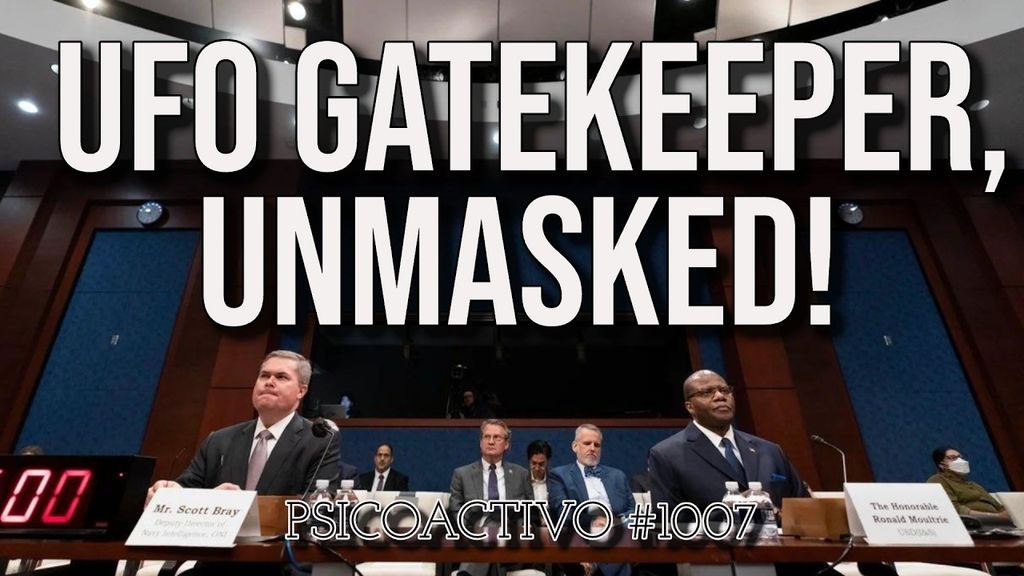
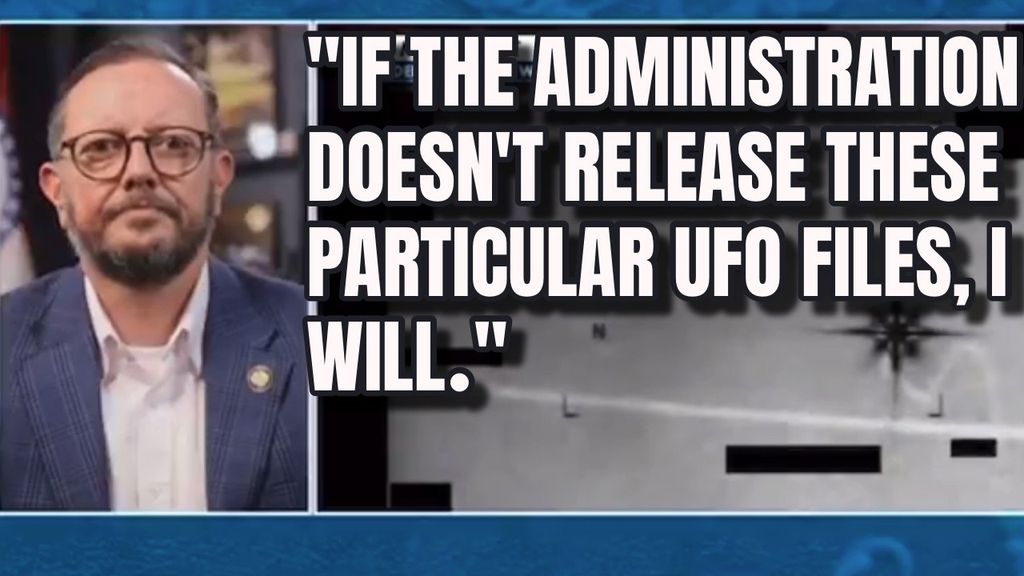
Key congressional figures, including Representatives Anna Paulina Luna, Eric Burlison, and Tim Burchett, have become increasingly vocal in their pursuit of greater transparency, directly challenging what they perceive as systemic stonewalling within the Pentagon and the broader intelligence community. This week, NewsNation researcher Rob Jones publicly identified David A. Kic as a central "apex working-level gatekeeper" within the Department of Defense. Kic's dual role as Director of Congressional Activities and chief of the Assistant Secretary of Defense for Legislative Affairs intelligence team, held continuously across three administrations, has raised considerable questions about the locus of control over sensitive UAP information and legislative interactions, as detailed in a Psicoactivo Podcast segment. Representative Burchett, for his part, recounted a recent incident where he and other lawmakers were denied entry to a facility linked to UAP matters, attributing the blockage to the intelligence community. He issued a stern warning of invoking the Holman Rule to defund positions if such obstruction persists. The implications of this legislative leverage are substantial, particularly as Burlison has indicated his readiness to invoke the Speech or Debate Clause to unilaterally release classified UFO videos if the declassification process does not progress adequately, emphasizing his personal viewing of material depicting UAPs near Russian submarines and U.S. aircraft engaging unidentified objects.
Further exacerbating concerns about intelligence agency obstruction, former CIA operations officer James Erdman III provided sworn testimony alleging that the Central Intelligence Agency illegally monitored the computer and phone usage of personnel within the Office of the Director of National Intelligence’s Director’s Initiatives Group (DIG). Erdman, who led investigations into COVID-19 origins, anomalous health incidents, and UAP, claimed that the CIA refused to provide necessary information and fired a contractor assisting their inquiry, characterizing this action as retaliation. Most strikingly, Erdman testified that the CIA secretly removed 40 boxes of historically sensitive JFK assassination and MK-Ultra files from ODNI custody, directly undermining a presidential mandate for their release. While it remains unconfirmed if UAP-related files were among these seized documents, the pattern of alleged obstruction within the very DIG structure tasked with handling UAP issues has intensified concerns among both lawmakers and disclosure advocates, leading Representative Luna to demand the CIA return the documents within 24 hours, signaling a direct confrontation over the control of these historical records.
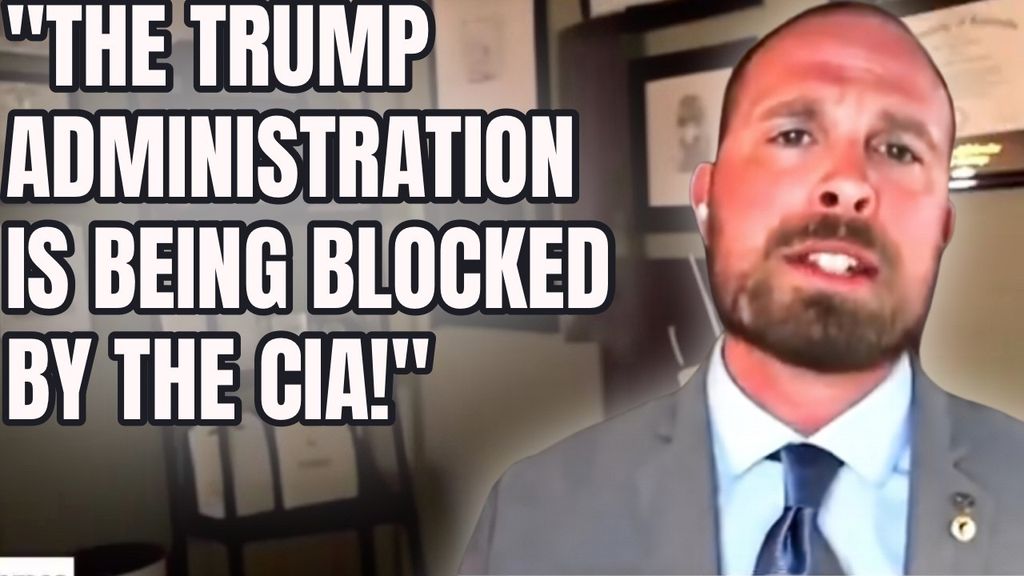
These allegations of active obstruction were echoed by UAP whistleblower David Grusch, who claimed that elements within both the CIA and Defense Intelligence Agency (DIA) are blocking the Trump administration's access to crucial UAP records. Grusch publicly stated he had learned of actors inside specific intelligence agencies preventing presidentially appointed officials from gaining control over historical files that may include details on non-human beings and associated technologies. This directly challenges the effectiveness of presidential directives for disclosure in penetrating long-standing, compartmented programs, a point highlighted by Kristian Harloff. Reinforcing the theme of deep secrecy, journalist Jeremy Corbell's documentary, "Sleeping Dog," brought forth an alleged internal memo linked to Los Alamos National Laboratory. The document reportedly describes a proposed site investigation for "alien inorganic compounds or other biochemicals" and recommends checking local residents for "symbiotic manipulation by surviving aliens," underscoring claims of non-human biologics and specialized cleanup protocols that, if authentic, represent an extraordinary level of government engagement with the UAP phenomenon. Corbell maintains he possesses additional pages and records that he cannot publicly share due to sensitive identifiers, a topic discussed in his Area52 interview.
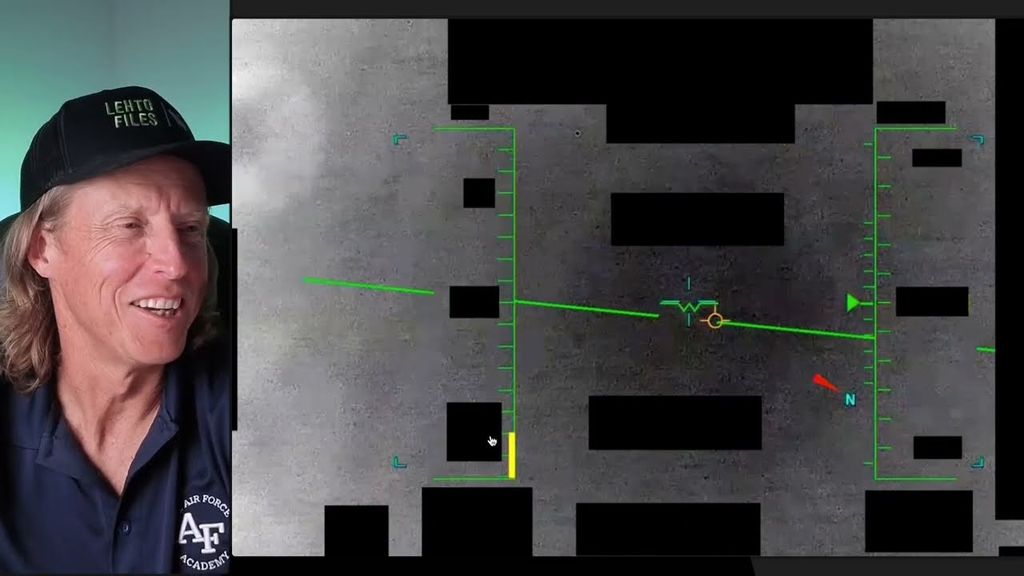
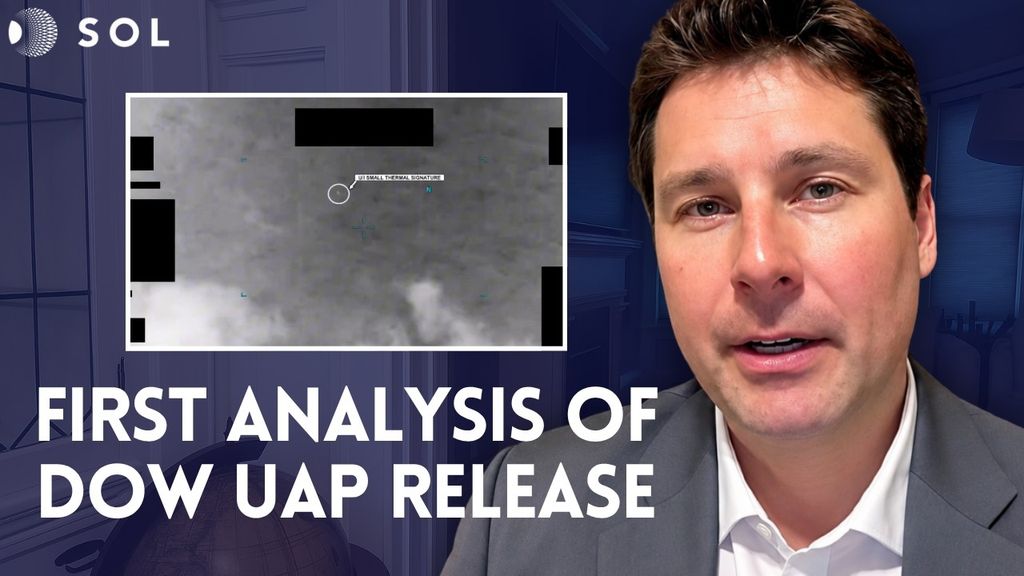
Amidst these claims of obstruction, the first tranche of Trump-era UAP files, comprising 161 documents and 28 videos, has generated a mixed reception, with many researchers finding its scientific value limited. Robert Powell of the Scientific Coalition for UAP Studies (SCU) argued that the heavy redaction and absence of investigative context in the May 8 release render much of the material unusable for rigorous scientific analysis. He noted that crucial metadata, such as sensor type, altitude, and range, are consistently blacked out, preventing researchers from calculating key parameters like speed or size. Retired F-16 pilot Chris Lehto, after conducting a frame-by-frame review of the PURSUE UFO material, concluded that most of the imagery reflects familiar airborne and sensor phenomena rather than exotic craft, attributing apparent accelerations to drone kinematics and sensor operations. Lehto, for instance, identified a Middle East infrared clip as a likely missile with a distinct exhaust plume, a signature typically absent in authentic UAP reports, which he detailed in his Lehto Files analysis. While acknowledging the presence of new information, the consensus among many technical analysts is that this initial war.gov release, despite attracting hundreds of millions of public visits on its first day, primarily serves as a consolidation of previously available material, leaving the more impactful data yet to emerge, as Representative Tim Burchett has suggested.
Despite the limitations of the recent disclosures, the released files do contain elements that resonate with decades of UAP observations, reinforcing historical patterns. The collection includes historical narrative reports, notably World War II "Foo Fighter" accounts detailing reddish-orange balls of fire that paced American aircraft over Europe. Further historical material, such as a 1965 NASA Gemini 7 audio transcript, documents an in-orbit "bogey" report by astronauts Frank Borman and Jim Lovell, a detail singled out by Chris Lehto as highly consequential. The Angry Astronaut channel also highlighted the consistency of "triangular orb UAP formations" across modern and historical reports, citing an August 2012 incident over the Persian Gulf where infrared footage from an MQ-9 Reaper drone reportedly showed three bright orbs in a crisp triangular formation executing maneuvers inconsistent with conventional aircraft propulsion. This persistent morphology, observed over roughly 70 years, challenges prosaic explanations and ties into a broader discussion of high-performance unidentified objects operating near strategic locations, such as the recent blue-white orb footage from Nevada’s Amargosa Valley, near Area 51, which exhibits kinematics reminiscent of mid-20th-century pilot encounters.
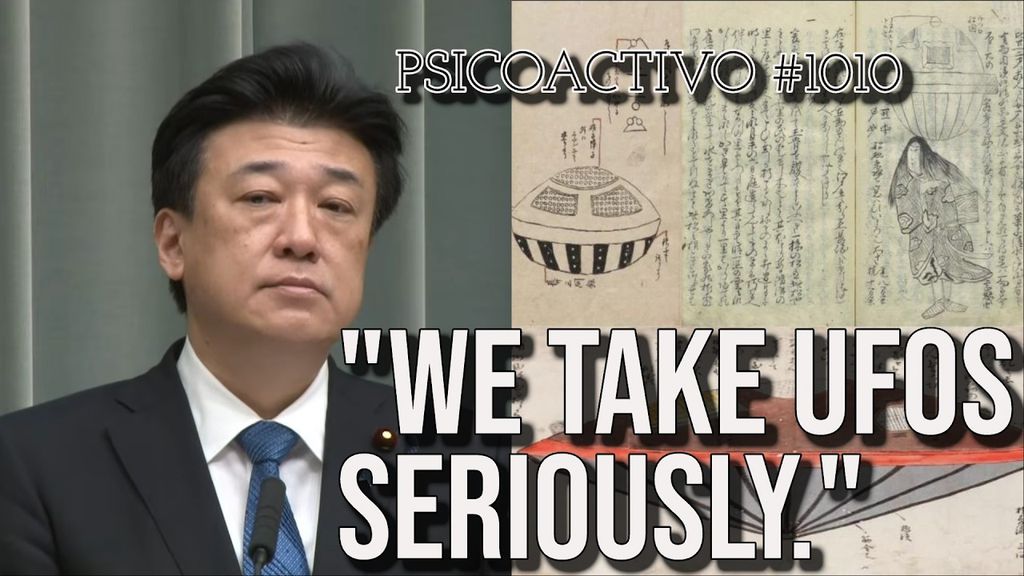
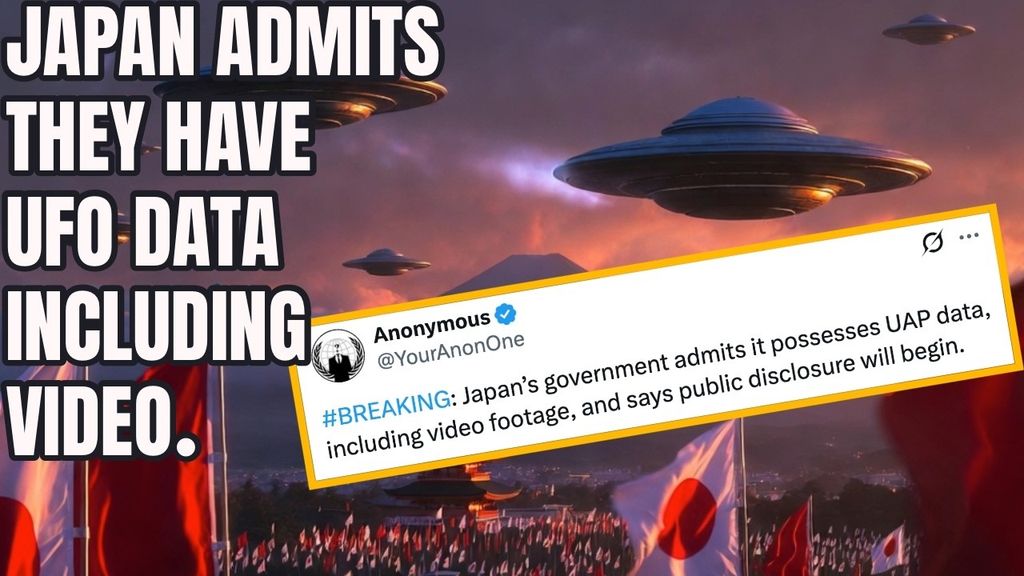
Expanding the scope of UAP engagement beyond U.S. borders, Japan's Chief Cabinet Secretary Minoru Kihara publicly confirmed this week that the Japanese government possesses UAP-related data, including video footage, and is actively gathering and analyzing information on unidentifiable objects in its airspace. Kihara stated that Japan is closely cooperating with U.S. authorities and will make case-by-case decisions on public disclosure, carefully balancing transparency with national security concerns. This cabinet-level acknowledgment, reported by Psicoactivo Podcast and Kristian Harloff, positions Japan among the first nations to formally address UAP at such a high governmental echelon, potentially setting a precedent for a "domino effect" among other international allies. The confirmation follows U.S. releases of UAP footage from incidents in or around Japan, underscoring active bilateral information flows and a growing global recognition of the phenomenon.
The evolving landscape of UAP disclosure has also prompted notable reactions from prominent scientific and media figures. Astrophysicist Neil deGrasse Tyson, previously known for his firm public skepticism regarding UFOs and aliens, has notably softened his stance while promoting his new book, "Take Me to Your Leader: Perspectives on Your First Alien Encounter." While still emphasizing the distinction between unexplained phenomena and confirmed alien visitation, Tyson now concedes that some residual cases could, in principle, involve aliens, a notable shift from his earlier categorical dismissals. This pivot, as noted by Kristian Harloff, reflects a broader recognition that the UAP discussion has entered the mainstream to an extent that outright dismissal is increasingly challenging for public figures. Concurrently, experimental physicist Matthew Szydagis, drawing on his background in dark matter detection, has advocated for UAP research to adhere to the same rigorous, data-led, and reproducible standards as mainstream physics. He cautions against premature exotic claims and emphasizes the necessity of multi-sensor coverage and meticulous experimental design in a discussion on That UFO Podcast.
Amidst these discussions of evidence and official transparency, the nature of non-human intelligence itself continues to be a subject of intense speculation and whistleblower testimony. Hal Puthoff and Eric Davis have detailed accounts of four distinct non-human species—grays, Nordics, reptilian-like, and insectoid-like beings—with varying physical characteristics, which are now becoming central reference points in discussions of alleged crash recoveries and planned disclosure, as discussed on Psicoactivo Podcast. Jeremy Corbell further amplified these claims, stating he has seen "absolute convincing evidence" that non-human intelligences are active on Earth, operating craft of unknown origin and potentially "docking" underwater. This perspective intertwines with broader philosophical and experiential accounts, such as Josh Lee’s descriptions of weekly orb contact linked to intentional meditation and gratitude practices, which he interprets as communication. Project Unity host Jay also offers a layered account of managed UFO disclosure, shaped by his own consciousness-based contact experiences, suggesting a nuanced interplay between personal encounters and official narratives.
While not directly related to UAP origins, the near-Earth asteroid 2026 JH2's recent 91,000-kilometer flyby served as a timely reminder of the gaps in planetary defense. Discovered just days before its closest approach, the 35-meter object highlighted the short detection lead times for potentially city-destroying asteroids, as discussed by The Angry Astronaut. In the realm of theoretical physics, discussions continued on the fundamental nature of the universe, with George Ellis challenging Roger Penrose's use of infinity in conformal cyclic cosmology, arguing that infinity is not a destination achievable by finite progression, as explored on Curt Jaimungal's channel. Janna Levin also explored Gödel's incompleteness theorem, questioning whether physics can ever realize a fully closed "theory of everything" and suggesting that black holes behave more like fundamental particles than dead stars, hinting at deeper, geometry-based quantum structures. These scientific inquiries, though abstract, underscore humanity's evolving understanding of its place in a potentially populated and complex cosmos.
- Congressional Scrutiny Intensifies: Lawmakers escalate pressure on intelligence agencies regarding UAP records, threatening legislative actions and identifying specific gatekeepers.
- CIA Obstruction Allegations Surface: Whistleblowers detail alleged CIA monitoring of investigators and the removal of sensitive historical documents, including JFK and MK-Ultra files.
- UAP Video Releases Critiqued: Official government UAP video releases draw criticism from researchers for lacking scientific utility due to heavy redaction and insufficient metadata.
- Japan Confirms UAP Data: Japan formally acknowledges possessing UAP-related data and plans for potential disclosure, signaling a broader international shift in UAP transparency.
- Scientific Stances Evolve: Neil deGrasse Tyson softens his long-held skepticism on aliens, while physicists call for more rigorous, data-driven UAP research methodologies.
- Non-Human Intelligence Descriptors: Whistleblower testimonies and discussions emerge detailing characteristics of four distinct non-human species and claims of their active presence on Earth.
- Consciousness-Based Contact Narratives: New accounts highlight personal experiences of regular orb contact linked to meditation and spiritual practices.
- Planetary Defense Gaps Exposed: A recent asteroid flyby underscores critical shortfalls in detection lead time and overall planetary defense readiness.








 Continue with Google