
NASA Official Says Classified Files Show No Evidence of Alien Visitation, Projects Strong Odds for Martian Microbial Life


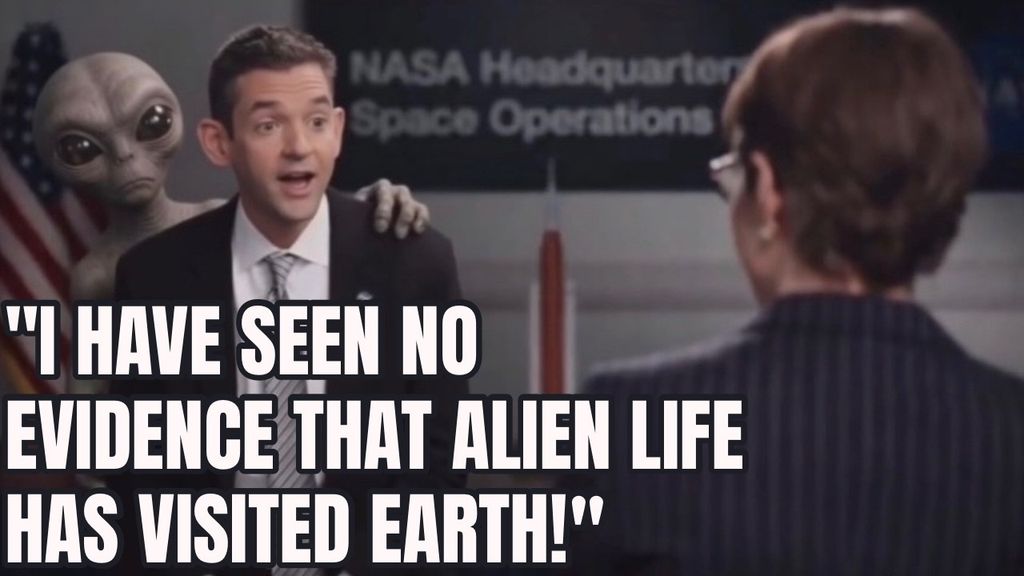
The question of UAP data transparency remains contested, particularly as policymakers pursue broader declassification of government records. In that context, a senior NASA official emphasized that neither classified materials nor historical documentation at the agency support claims of intelligent extraterrestrial visitation to Earth. While allowing that life elsewhere in the universe is plausible given its vast scale, the official’s position underscored a consistent evidentiary standard: extraordinary claims require accessible, verifiable data.
From a scientific standpoint, the official highlighted a nearer-term frontier. Mars sample return was described as a realistic pathway to detecting microbial life, with confidence framed above 90 percent if well-preserved biosignatures are retrieved and rigorously analyzed. That outlook aligns with long-standing astrobiology priorities focused on biosignature detection via returned samples, in situ instrumentation, and next-generation telescopes.
The remarks also intersect with ongoing debates over government transparency. Critics argue that compartmentalization across agencies and defense contractors may constrain what any one institution, including NASA, can affirm about UAPs. References to prior congressional testimony by former intelligence official David Grusch, and to claims of “gatekeepers” controlling sensitive programs, illustrate how perceptions of limited access feed public skepticism about official reassurances.
Beyond extraterrestrial visitation, alternative frameworks—ranging from interdimensional interpretations to speculative gravity-manipulation concepts—circulate in some research and advocacy communities. These ideas remain outside mainstream consensus and were not directly addressed by the official’s comments. Historically, communications from the All-domain Anomaly Resolution Office have been criticized by some observers as overly dismissive; such critiques reflect concern that broad statements may set expectations for declassification outcomes before comprehensive datasets are reviewed.
The path forward will likely hinge on methodical, transparent release of records and the parallel accumulation of high-quality scientific evidence. If Mars samples or future observatories substantiate biosignatures, the discovery would reshape the conversation by grounding it in laboratory-confirmed results. Until then, the policy imperative remains clear: pair declassification with standardized data-sharing protocols that enable independent scrutiny across civil, academic, and defense domains.
Key Moments
- 00:12A NASA official asserted there is no classified information indicating extraterrestrial activity on Earth.
- 00:38A question referenced a White House authorization to declassify records concerning UAPs and extraterrestrial life, asking the official for a view on life beyond Earth.
- 00:57The official said belief in life elsewhere is reasonable given the scale of the universe but added: "I have not seen any evidence of that whatsoever and nothing in any classified files or historic documentation would ever support that."
- 01:34He anticipated with "greater than 90% confidence" that Mars sample return could reveal microbial life, framing biosignatures as a likely near-term discovery.
- 02:00Commentary questioned NASA leadership’s awareness of congressional testimony by former intelligence official David Grusch and argued that such proceedings merit close institutional attention.
- 03:41Skeptical perspectives suggested longstanding "gatekeepers" and defense contractors may compartmentalize UAP-related information, potentially limiting NASA’s visibility.
- 05:38Alternative hypotheses were discussed, including interdimensional frameworks, quantum effects, and gravity manipulation, noting the official addressed only extraterrestrial visitation in a conventional sense.
- 06:58The discussion raised long-circulating claims about correlations between nuclear activity and UAP reports; these were presented as opinion rather than established fact.
- 08:17Open questions were posed about Mars’ deep-time habitability and the possibility of ancient civilizations, highlighting scientific uncertainties about planetary history.
- 10:49Past briefings by the All-domain Anomaly Resolution Office (AARO) were cited as examples where critics perceived a dismissive tone, warning that authoritative statements can shape public narratives ahead of document releases.
- 12:16The audience was invited to assess whether the NASA remarks diminish expectations for declassification outcomes or simply reflect current evidence thresholds.
 Continue with Google