
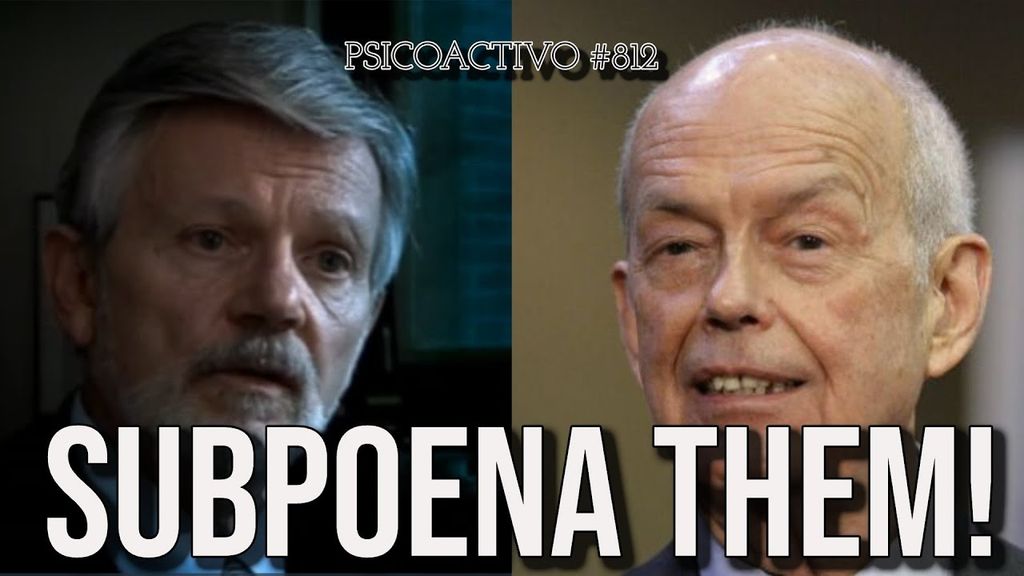
Proposed Subpoena List Emerges as Rep. Burlison Presses UAP Disclosure and Whistleblower Protections


The question of UAP data transparency has long been contentious, with advocates arguing that only sustained oversight can reconcile conflicting claims, historical anecdotes, and classified program secrecy. Recent calls for congressional action have converged on a specific next step: compel testimony from former intelligence and defense officials who are repeatedly cited in community reporting and archival media.
Policy momentum is an important backdrop. Rep. Eric Burlison has publicly stated his intent to advance a UAP Disclosure Act and bolster whistleblower protections, asserting that meaningful disclosure follows public demand for answers. Supporters of stronger oversight contend that carefully scoped subpoenas—paired with document production and secure testimony settings—could clarify whether alleged legacy programs exist and what, if anything, they have concluded about anomalous aerospace observations.
A proposed witness list centers on senior figures linked to historical intelligence roles. Admiral Bobby Ray Inman is frequently cited due to a widely circulated 1989 phone call in which he was portrayed as acknowledging recovered vehicles and the possibility of broader research access. Decades later, in an interview with Project Unity’s Jay Anderson, he rejected those claims. Subpoena-backed testimony and primary records could resolve the discrepancy and determine the provenance and accuracy of older media excerpts.
Other names recur in contemporary reporting and community discussions. Ron Pandolfi—long associated with claims about the intelligence community’s engagement with unconventional topics—has been described by some researchers as a source of disinformation; those characterizations remain disputed and politically charged. Former CIA official Stephanie O’Sullivan is linked in reporting by Christopher Sharp to an alleged effort, sometimes described as ‘Golden Dome,’ to detect and potentially disable UAP through electronic and laser-based means. Former Director of National Intelligence James Clapper is also cited as a figure whose perspective on historical handling of UAP and compartmented programs would be probative under oath. Within the contractor ecosystem, Dr. James Ryder (Lockheed) has been named in discussions of so-called gatekeepers, while Glenn Gaffney (CIA) is now repeatedly mentioned as a key official whose testimony could illuminate how intelligence equities managed UAP-related data.
A second investigative thread concerns biomedical and sensor anomalies. Dr. Christopher ‘Kit’ Green is associated with long-standing inquiries into physiological effects and genetic questions related to UAP witnesses, as well as a 2017 recorded call with remote viewer K. Randall May that references an alleged underwater non-human intelligence base off California. Extraordinary assertions of this nature require stringent evidentiary standards; closed-session testimony and document authentication would help distinguish verifiable research from anecdote. Dr. Garry Nolan’s work on neuroimaging and reported patterns in experiencers is likewise cited as relevant to whether consistent, reproducible biomarkers exist and how they should be interpreted.
Any subpoena strategy must account for procedural and classification constraints. In the House, subpoenas typically issue through committees or subcommittees, and sensitive testimony often occurs in SCIFs with counsel present. Witnesses maintain due-process rights, and agencies can assert classification protections. For the public, the most valuable outcomes would include releasable, document-based findings: program charters, contract language, funding lines, data provenance, chain-of-custody for materials, and sensor logs that meet evidentiary standards.
Skepticism remains warranted. Prior government assessments have emphasized prosaic explanations for many incidents and highlighted data quality issues. Competing narratives—ranging from legacy crash-retrieval claims to advanced counter-UAS capabilities—cannot be reconciled without contemporaneous records and accountable testimony. A bipartisan, methodical approach focused on authenticated documents, reproducible analysis, and clear public summaries would test the strongest claims while avoiding politicization. If executed with rigor, targeted subpoenas alongside legislative reforms on whistleblowers and records management could move the debate from circulating allegations toward verifiable conclusions.
Key Moments
- 00:18Call for depoliticizing UAP and pursuing a bipartisan approach despite backlash to prior political commentary.
- 01:50Reference to Rep. Eric Burlison stating he is taking action to pass a UAP Disclosure Act and strengthen whistleblower protections.
- 02:48Recommendation to subpoena Admiral Bobby Ray Inman due to discrepancies between a 1989 phone call about recovered vehicles and later denials in an interview with Project Unity’s Jay Anderson.
- 03:52Cited documentary segment attributes to Inman a discussion referencing recovered craft and potential availability for research: “Ten years ago, the answer would have been no… there’s a possibility.”
- 06:55Quoted Burlison: “History shows that disclosure only occurs when the American people demand answers… I’m pushing to pass the UAP Disclosure Act and strengthen protections for whistleblowers.”
- 08:00Ron Pandolfi characterized as a central disinformation figure by some researchers; allegations include politicized influence and claims surrounding portals and ‘jump room’ lore.
- 10:05Christopher Sharp’s reporting cited on former CIA official Stephanie O’Sullivan and an alleged ‘Golden Dome’ program intended to detect and disable UAP using electronic and laser-based means.
- 13:17Suggestion that former DNI James Clapper should be questioned under oath; skepticism expressed about narratives in the film ‘Age of Disclosure.’
- 14:15Naming of Dr. James Ryder (Lockheed) as a historical gatekeeper within contractors handling sensitive UAP-linked programs.
- 14:48Glenn Gaffney (CIA) highlighted as a priority witness frequently cited in recent community discussions.
- 15:48Call to subpoena Dr. Christopher ‘Kit’ Green regarding medical/genetic investigations and a 2017 phone call with remote viewer K. Randall May about an alleged underwater NHI base.
- 18:22Proposal to hear from Dr. Garry Nolan about neuroimaging and physiology research related to UAP experiencers, ideally voluntary but via subpoena if necessary.
- 18:50Argument that targeted subpoenas should proceed in parallel with legislative pushes like the UAP Disclosure Act.
Related Topics
Links & References
- Bobby Ray Inman interview with Project Unity’s Jay Anderson, referenced regarding disputed statements on recovered vehicles.
- UFO Hearing 2025 video, cited in the discussion about forthcoming oversight and hearings.
- Christopher Sharp on Psicoactivo discussing reporting on Stephanie O’Sullivan and alleged ‘Golden Dome’ efforts.
- Psicoactivo Podcast’s page at KGRA, the program’s network home.
- Host support and link aggregator for Psicoactivo-related platforms.
- Psicoactivo Podcast on Spotify.
 Continue with Google