
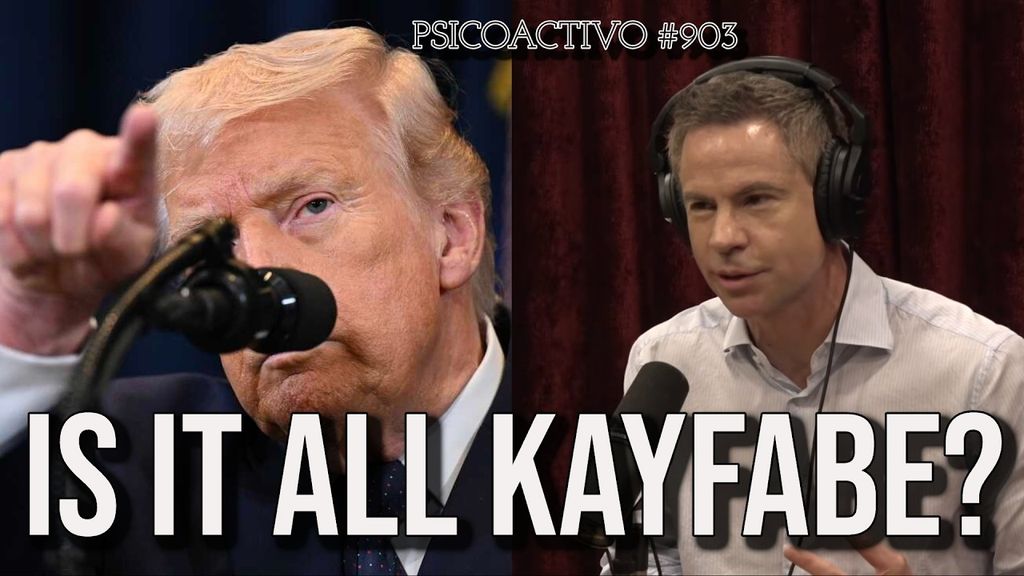
Shellenberger’s Optimism on Prospective Trump-Ordered UAP Disclosures Sparks Debate Over Transparency and Substance


The question of UAP data transparency has long been contentious, with experts and officials disagreeing over what should be made public and when. In a high-profile exchange examined by Psicoactivo, Michael Shellenberger welcomed the prospect of a presidential directive to release UAP-related files, while other voices cautioned that promises without documents and data risk functioning as political theater rather than substantive disclosure.
Shellenberger’s case for optimism is incrementalist. He argues that even partial disclosures can create momentum for greater openness, pointing to historical episodes of oversight and declassification as examples of stepwise progress. From this perspective, an announced intention to release UAP materials matters because it acknowledges the existence of government-held records and commits, at least in principle, to increased transparency. He also situates the moment against a backdrop of earlier official downplaying after Project Blue Book, suggesting a shift in posture is noteworthy even if it falls short of full disclosure.
Skeptics in the discussion warn that optics can eclipse outcomes. The host frames the spectacle as potentially distracting absent concrete deliverables, highlighting concerns that certain political figures promote religiously inflected narratives that could further polarize the topic. The central challenge, they argue, is to move beyond declarations and produce verifiable primary-source records—documents, unredacted findings, and higher-fidelity imagery with accompanying context—that can be independently evaluated.
Specific targets for disclosure receive detailed attention. John Greenewald’s long-running FOIA work is cited, including a UAP Task Force document in which portions of a ‘potential explanations’ list are blacked out. Shellenberger contends that unredacting such items would not compromise collection methods and should be prioritized. The discussion further notes that the Navy’s ‘Gimbal,’ ‘GoFast,’ and ‘Tic Tac’ incidents are believed to have more associated video and sensor data than the public has seen; releasing fuller datasets, including telemetry and metadata, would enable more rigorous analysis. As a precedent for publishing sensitive visuals, participants reference Pentagon-released footage of a Russian jet dumping fuel on a U.S. drone, arguing that comparable UAP-related evidence could, in principle, be cleared for public view.
Policy developments are also in play. The host cites reports of a congressional letter requesting specific UAP files—identified by filename and date via metadata—from multiple officials, with named signatories including members of the House Intelligence Committee and participants from both parties. If accurate, the request suggests lawmakers are attempting to lock in concrete, document-level deliverables rather than broad promises.
The outlook hinges on execution. A meaningful release would set clear scope, timelines, and criteria; it would prioritize unredacting existing assessments where feasible and, critically, provide higher-resolution imagery and sensor data that can be corroborated. Anything short of that risks reinforcing doubts that political signaling is outpacing substantive transparency. With geopolitical tensions cited as a reason for urgency—and also as a possible impediment to action—the debate over whether this moment leads to durable, verifiable public insight remains unresolved.
Key Moments
- 00:26The host reiterates prior criticism of Michael Shellenberger for mixing overt political advocacy with UAP coverage and notes his alignment with John Greenewald of The Black Vault.
- 01:33The conversation acknowledges religious themes and ancient scripture entering UAP-adjacent discourse, a framing the host views as potentially divisive.
- 02:49The host is struck by Shellenberger’s optimism about possible UAP file releases tied to Donald Trump, noting that many in the UAP community remain skeptical.
- 03:22Joe Rogan raises Trump’s stated intent to 'release whatever files' on UAPs; Jesse Michaels is cited as skeptical, describing the handling as 'old guard.'
- 04:01Shellenberger calls a presidential pledge to release UAP materials 'amazing,' contrasting it with decades of official minimization after the shutdown of Project Blue Book.
- 05:26The host labels the spectacle 'theater' without concrete evidence, warning it could distract from other pressing issues.
- 05:39Citing past oversight and declassifications, Shellenberger argues incremental transparency works: partial releases on JFK, Epstein, and other topics can build momentum for more.
- 06:36John Greenewald’s FOIA work is highlighted, including a UAP Task Force document whose 'potential explanations' list is partially redacted; Shellenberger urges unredactions, arguing they do not expose sensor capabilities.
- 07:23As precedent for releasing sensitive imagery, Shellenberger references Pentagon footage showing a Russian jet dumping fuel on a U.S. drone.
- 08:20The discussion maintains that more extensive video and sensor data exist for the Navy’s 'Gimbal,' 'GoFast,' and 'Tic Tac' incidents than the public has seen.
- 08:59The host argues that if close-up, higher-resolution UAP videos (e.g., 4K) exist, they should be part of any release.
- 09:30Doubts persist that an executive order will materialize soon, with the host citing a political focus on war and religiously inflected rhetoric; if a release is coming, the host urges it happen quickly amid Middle East instability.
- 10:49An allegedly sent congressional letter, reportedly flagged by another commentator, requests specific UAP files from officials including Marco Rubio, Pete Hegseth, Tulsi Gabbard, and a Department of Energy contact; listed signatories span Republicans and Democrats, including Intelligence Committee members.
- 12:26The host closes by asking whether the unfolding promises are 'smoke and mirrors' or a pathway to genuine disclosure.
Related Topics
Links & References
- Referenced exchange featuring Michael Shellenberger on Joe Rogan.
- Laslo’s related video post cited in the discussion.
- The Black Vault, noted for FOIA archives referenced regarding UAP documents.
- Sponsor link mentioned for 'Anomalous Cards' documenting notable UAP events.
- Psicoactivo Podcast’s page at KGRA.
- Psicoactivo Podcast on Spotify.
- Support and social links hub for the channel.
- Patreon support link referenced in the description.
 Continue with Google