
Managed Narratives, Military Anecdotes, and Media Skepticism: Richard Dolan on Institutional Denial of UAP


The question of how governments and influential institutions manage Unidentified Anomalous Phenomena (UAP) information continues to intersect with issues of power, trust, and public discourse. Researcher Richard Dolan contends that disclosure, if and when it occurs, is likely to be curated through stringent narrative control designed to protect institutional stability and minimize disruptive scrutiny. He argues that such management is aimed at forestalling uncomfortable lines of inquiry about alleged crash retrievals, biological evidence claims, and long-running disinformation—topics that could undermine confidence in official gatekeepers.
In Dolan’s view, this environment places intermediary organizations in a difficult position. Entities that seek to normalize the conversation—such as To The Stars Academy—may advance awareness but also risk becoming conduits for tightly bounded messaging, not by intention but due to limited leverage relative to entrenched bureaucracies. The result, he suggests, is a disclosure trajectory that prioritizes control over candor, even as public interest accelerates.
A parallel dynamic, he says, shapes mainstream skepticism. High-profile commentators and scientists often remain publicly guarded, less because of coordinated suppression than because of reputational incentives. Audiences, sponsors, and established brands discourage abrupt changes in stance, creating a reluctance to engage with evidence that might demand a course correction. Dolan cites a secondhand account of a prominent skeptic who privately acknowledged that some reports are difficult to dismiss but saw professional risk in revising his public position. This illustrates a broader psychology of denial: when careers and identities are at stake, new data can be sidelined, not for lack of intrigue but from fear of consequence.
Against that backdrop, a steady stream of military anecdotes persists. One account describes a group of five individuals reportedly observing a craft hovering within roughly 50 feet, with four acknowledging the close encounter and one refusing to accept it. Another report from the Gulf War era depicts highly maneuverable objects tracked on radar and an order not to engage activity in a marked portion of the sky—raising questions about command-level foreknowledge and rules of engagement. A separate secondhand claim refers to elite units monitoring underwater anomalies, aligning with longstanding reports of USOs.
While such accounts are anecdotal and vary in provenance, they echo recurring themes in defense-adjacent reporting: radar corroboration, extraordinary maneuverability, and selective acknowledgment within the chain of command. They also spotlight the evidentiary gap between classified holdings and material available for open scrutiny, a gap that fuels both skepticism and speculation.
Policy attention appears to be evolving. USOs have reportedly surfaced in confidential briefings to lawmakers, suggesting that underwater manifestations of the phenomenon are no longer peripheral in official discussions. Historically, mainstream media covered the subject with periodic openness in the mid-20th century before decades of diminished engagement. Recent shifts toward more serious coverage may indicate a new phase, though increased visibility does not automatically translate into comprehensive transparency.
Future progress will likely hinge on concrete steps: protecting qualified witnesses, releasing declassified sensor data with provenance, standardizing reporting pipelines, and allowing independent verification of claims. Such measures could reduce the space for both narrative management and reflexive dismissal. As public interest broadens—reflected in a more diverse audience profile—the discussion is poised to move beyond stigma and toward evidence-led inquiry, provided that institutional stakeholders prioritize verifiable data over message discipline.
Key Moments
- 00:10Dolan argues that a broad system of cultural and information control is taking shape to manage how UAP information reaches the public.
- 00:31He contends that "total control over the narrative" is viewed by authorities as a prerequisite for any formal disclosure.
- 01:13He warns that open questions about crash retrievals, alleged bodies, and decades of disinformation are precisely the lines of inquiry narrative managers seek to avoid.
- 01:52Dolan says groups like TTSA may unintentionally contribute to a tightly managed disclosure because their influence is limited amid larger institutional forces.
- 03:52A viewer asks why high-profile media figures and scientists (e.g., Joe Rogan, Neil deGrasse Tyson) remain skeptical despite voluminous claims and videos.
- 06:08Dolan attributes persistent mainstream skepticism in part to brand, sponsor, and audience pressures that discourage major public pivots.
- 06:53He recounts a story of an off-camera conversation in which a well-known skeptic privately conceded some baffling reports but was reluctant to change public positions.
- 08:10An anecdote is shared about five individuals who reported a craft hovering approximately 50 feet away, with one witness still denying the event despite four acknowledging a close encounter.
- 08:56A former special forces contact purportedly described craft maneuvering in ways that defied expectations and being tracked on radar during the Gulf War.
- 09:14A separate secondhand account claimed Navy SEALs had been monitoring and tracking underwater anomalous activity (USOs).
- 10:45A Gulf War tank commander reportedly received orders not to fire at activity in a specific sector of the sky, followed by observations of highly agile objects.
- 11:42Dolan frames the unresolved question: were those capabilities domestic tests or signs of non-human technology?
- 15:26USOs were reportedly referenced in briefings to U.S. senators, signaling increased policy-level attention.
- 16:17He notes a historical shift: mainstream media treated the topic more openly in the 1940s–1950s, then largely downplayed it until a more recent resurgence.
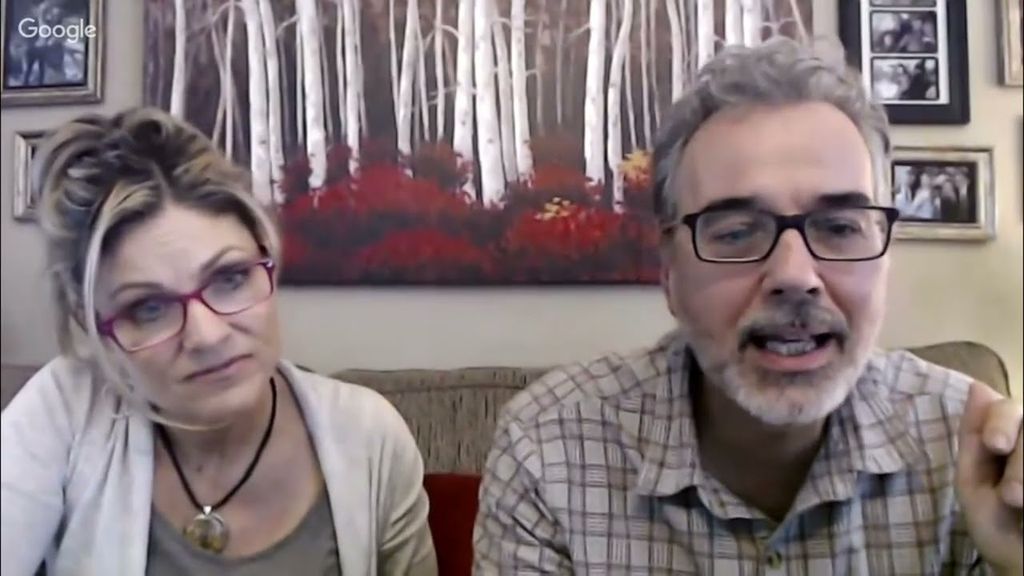
- 17:09Dolan and Tracey observe a rising share of women engaging with their content, indicating a broadening audience for UAP inquiry.
Related Topics
Links & References
- Membership portal for Richard Dolan’s channel, offering access to archived deep dives and exclusive content.
- Richard Dolan’s member website with lectures, articles, podcasts, and community features.
- Author page listing Richard Dolan’s books on UAP history and analysis.
- Official X (Twitter) profile for updates and commentary.
- Facebook page for Intelligent Disclosure content and community posts.
- Instagram profile with announcements and media.
 Continue with Google