Psychedelics, Telepathy, and the Raelians’ Embassy Plan: Filmmaker Jeremy Norrie Maps a Contested Frontier in UAP Discourse


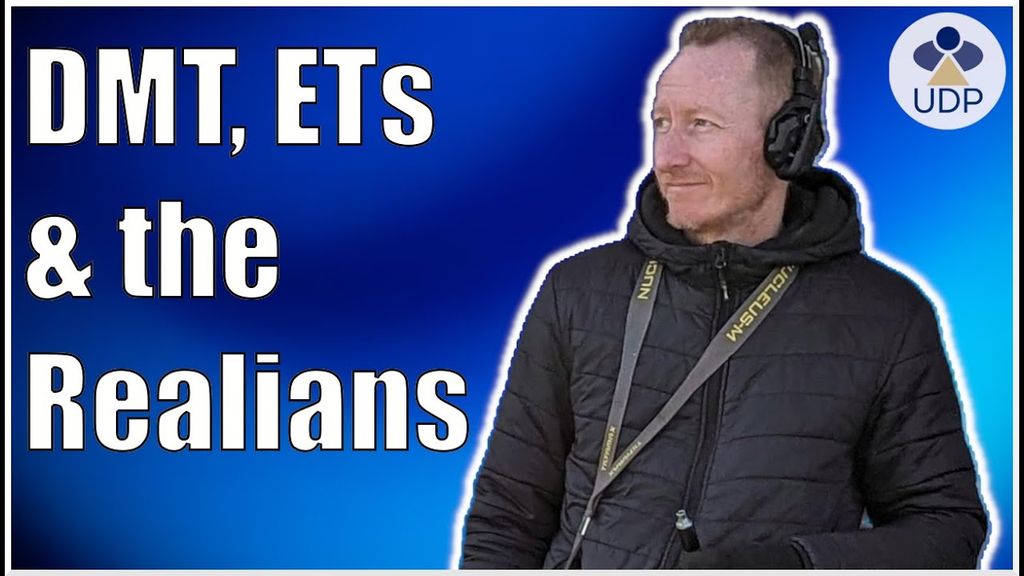
A growing segment of the UAP community is testing the boundaries between physics, consciousness research, and unconventional methodologies. In a wide-ranging discussion, filmmaker Jeremy Norrie outlined how certain subcultures approach reported contact phenomena not as strictly aerial or aerospace events but as experiences that may be mediated by mind-state, ritual, and intention. His perspectives, combined with pushback from more traditional investigators, illustrate a widening divide over what constitutes responsible inquiry and evidentiary standards in a field already fraught with ambiguity.
Consciousness, psychedelics, and reported ‘entities’ formed the core of the scientific viability debate. Norrie described episodes under altered states, including DMT and salvia, that he or others interpreted as contact with nonhuman entities, while also acknowledging the plausibility that such perceptions are generated by the brain under the influence. He referenced efforts to ‘map’ a DMT realm via extended, team-based sessions, including claims that a conversation begun by one group could be continued by another—a protocol sometimes discussed in niche circles but not validated by mainstream research. The hosts, both open to consciousness exploration, issued non-endorsement disclaimers and emphasized that mind training and meditative practice, absent drugs, are pursued by many who report anomalous perceptions. The overarching question remains whether neurochemical gateways are unlocking an external reality or producing internally consistent, culturally patterned narratives that feel real to participants.
These mind-state questions overlapped with theories of telepathy and thought-forms. The conversation cited research by Diane Hennacy Powell into nonverbal autistic children who allegedly display telepathic capacities under controlled conditions. The group also raised the concepts of tulpas and egregores—ideas suggesting that shared thought or intention may project or stabilize seemingly autonomous forms. Such frameworks, if substantiated, could offer non-extraterrestrial explanations for at least some reported encounters; however, they also require rigorous protocols to distinguish verifiable signal from confabulation, confirmation bias, and the powerful influence of expectation.
Community norms and ethics surfaced as a counterbalance to exploratory enthusiasm. The hosts noted that many within the UFO community firmly oppose drug-mediated research, viewing it as unsafe, legally fraught, and methodologically compromised. Guests and hosts agreed on safety as a baseline, with an emphasis on not encouraging dangerous behavior or illegal activities. Norrie’s personal accounts—including a near-accident while on ecstasy that he later framed in spiritual terms—highlighted how easily interpretation can be complicated by context, memory, and narrative reconstruction.
The policy and government dimension provided a distinctly different axis of debate. The participants argued that reliance on official disclosure has diminishing returns, asserting that governments tend to follow public consensus rather than lead it. They referenced prior legislative pushes that included eminent domain provisions aimed at compelling the turnover of nonpublic materials, interpreting political resistance as indirectly revealing. Yet even among committed researchers, there was skepticism that any single announcement would settle fundamental questions. Instead, the conversation pointed to a dual-track path: continue pressing for records while normalizing personal reporting and the careful documentation of direct experience. The late Earl Grey Anderson’s caution—reported here as ‘if you poke at the phenomenon, it pokes back’—encapsulated a longstanding belief among some field investigators that proximity to anomalous events can entail unpredictable spillover effects.
A substantial portion of the discussion focused on Norrie’s in-progress documentary about the Raelians, a movement that blends extraterrestrial origin claims with organized outreach. According to Norrie, representatives of the group say they are preparing to build an embassy to receive returning extraterrestrials and are exploring locations outside the United States; he mentioned Palestine as a candidate region discussed with him. He also said the group portrays its funding as member-supported, with comparatively affluent adherents underwriting projects. The movement’s image is complicated by controversies, including a symbol that combines a swastika and a Star of David and adherence to doctrines such as sexual freedom. Norrie reported that members acknowledged a lack of conventional proof for the founder’s central narratives but expressed conviction nonetheless. The filmmaker said the group did not request editorial control over his film and that he intends to present their statements without provocation or ridicule.
One of the most contentious claims touched on alleged human cloning. Norrie recounted being told that more than one human clone may exist, citing prior media coverage of related assertions but noting that he had seen no evidence accepted by the scientific mainstream. He described explanations he was given that analogized the process to creating twins at the embryonic stage. The hosts received the claim with skepticism, underscoring the need for verifiable data and clear, independent validation if such statements are to be taken seriously. Without access to testable evidence, these accounts remain unconfirmed and must be treated as claims.
Historical and technological perspectives threaded throughout the interview. The participants referenced the rise of CE5-style contact attempts, remote viewing, and astral projection as practices that some believe can initiate or structure encounters. In one segment, they explored the simulation hypothesis, pointing to a claim that DMT exposure combined with a particular laser-on-white-surface setup reveals ‘code’ to some observers. Reports of success are inconsistent even among those who try it, and without controlled replication these outcomes are anecdotal. Additional anecdotes about levitation, reframed as out-of-body experiences rather than physical uplift, reinforced the extent to which experiential narratives drive belief formation even as they elude standardized testing.
Skepticism and due diligence formed a recurring counterpoint. The hosts repeatedly articulated discomfort with certain topics—especially those touching on symbols associated with historical atrocities and any unverified biomedical claims. They emphasized that platforming a group’s self-description is not an endorsement and that responsible reporting requires both openness and scrutiny. Norrie, for his part, positioned his role as documenting positions and allowing audiences to judge, acknowledging that some viewers might find the Raelians’ arguments compelling while others reject them for lack of evidence.
Looking ahead, the conversation suggested several practical priorities. First, continued effort to secure and analyze official records remains warranted, even if definitive disclosure is unlikely. Second, the community would benefit from standardized, ethically grounded protocols for documenting anomalous experiences—whether via meditation, field investigations, or other practices—to enable cross-comparison and minimize suggestion effects. Third, claims with substantial scientific implications, such as human cloning, demand independent investigation, transparent methodologies, and peer review before they enter the evidentiary record. Finally, the social dimension—how movements form, use symbols, manage leadership authority, and handle dissent—requires as much attention as the physical or metaphysical content of their claims.
The question of UAP data transparency continues to straddle science, sociology, and spirituality. This discussion illustrated both the promise and the pitfalls of expanding the inquiry to include altered states and non-ordinary experiences. Whether such paths ultimately illuminate the UAP problem or complicate it further will depend on the rigor, ethics, and replicability that researchers bring to the work, and on the willingness of participants to separate deeply felt conviction from demonstrable fact.
Key Moments
- 02:02The hosts issue a parental advisory and content disclaimer, noting the conversation includes sensitive and potentially uncomfortable topics.
- 02:55Mainstream interest in UFOs is rising, with references to popular media and growing openness among faith communities to discuss anomalous topics.
- 08:52Filmmaker Jeremy Norrie joins and recounts how a friend’s story about a sighting location drew him deeply into UFO subject matter.
- 14:33Norrie mentions community ties, including the Hollywood Disclosure Alliance and work with the late MUFON figure Earl Grey Anderson.
- 17:06Norrie shares a near-accident while on ecstasy, describing a moment he interpreted as sensing a ‘guardian angel,’ underscoring how altered states complicate interpretation.
- 24:20Discussion turns to DMT and entity encounters; Norrie references efforts to ‘map’ a DMT realm via prolonged sessions and team-based protocols, while the hosts reiterate non-endorsement of drug use.
- 31:30Norrie describes perceiving ‘amoeba-like’ entities during a polysubstance episode, acknowledging the likelihood of a neurochemical explanation but noting some peers attribute such encounters to nonhuman intelligences.
- 34:35Telepathy is raised via Diane Hennacy Powell’s work with nonverbal autistic children; the conversation touches on tulpas/egregores and shared consciousness as possible frameworks.
- 39:15The guests and hosts emphasize ‘making it undeniable’ through direct experience rather than relying on government confirmation; they cite past disclosure legislation efforts, including eminent domain language, as pressure points.
- 41:21Norrie profiles the Raelians, who plan an embassy to receive returning extraterrestrials; he says they claim funding from members and are exploring locations outside the United States, including Palestine.
- 43:10The discussion addresses allegations of cult-like features: a charismatic founder, sexual freedom doctrines, controversial symbolism (a swastika within a Star of David), and devotion despite acknowledged lack of evidentiary proof for core origin claims.
- 52:01Norrie recounts being told that more than one human clone may exist, referencing past media coverage but noting no publicly accepted scientific validation.
- 54:34Norrie says the Raelians did not seek editorial control over his documentary; he aims to present the group in their own words without provocation.
- 01:02:33The conversation revisits the simulation hypothesis, including a claim that DMT combined with a laser setup reveals ‘code,’ an outcome some report and others do not.
- 01:04:21Broader ‘high-strangeness’ themes arise—levitation framed as an out-of-body state, astral projection, and near-death experiences—while the hosts insist on neutrality and safety.
 Continue with Google