
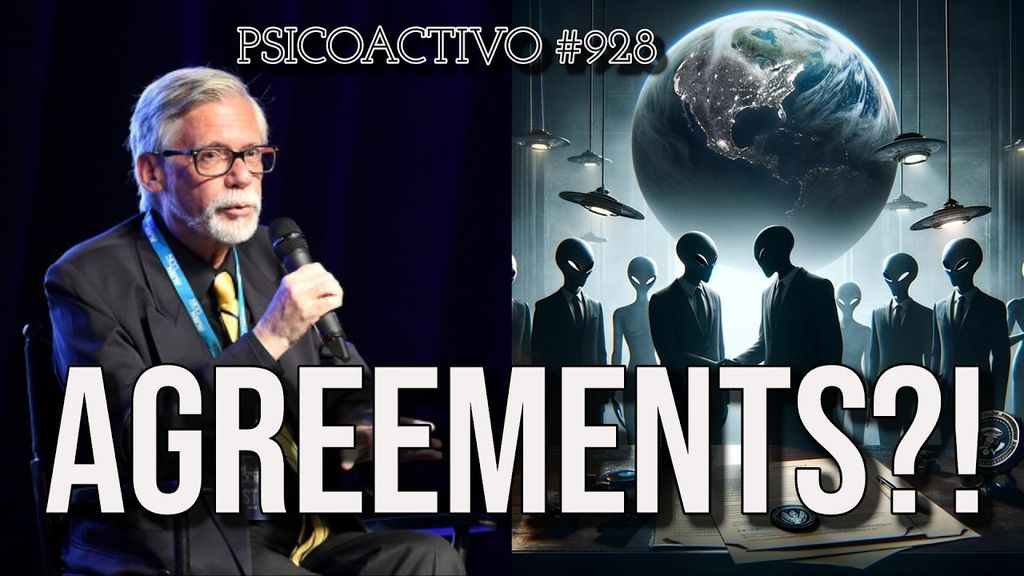
Peter Levenda Challenges Notion of Human–Non-Human ‘Agreements,’ Citing Authority, Language, and Enforcement Gaps


Debate over whether humans could ever conclude genuine agreements with non-human intelligences highlights a core problem in UAP studies: the limits of translating human legal and diplomatic frameworks to an unknown counterpart. Peter Levenda argues that without a shared language, a mutually recognized legal order, a globally authorized human signatory, and credible enforcement, the very concept of an interspecies ‘treaty’ becomes incoherent. This critique contrasts with recurring claims—linked to former U.S. intelligence official David Grusch’s interview with journalist Ross Coulthart—that agreements may have been contemplated or even concluded, if true.
Proposals for non-verbal contact or tit-for-tat exchanges, such as technology assistance in return for non-interference with alleged abductions, confront immediate practical hurdles. Who could legitimately bind “humanity,” and on what legal basis? How would compliance be verified across nations and factions, and how would either side confirm the other’s bona fides? Levenda further cautions against U.S.-centric assumptions, noting that any purported understandings could be ancient, localized, or linked to cultures with no modern legal continuity—complicating claims of enforceability or succession.
Historical allegations resurface periodically, including suggestions of Vatican or OSS roles in mid-20th-century retrievals and allusions to secrecy conditions. These remain unverified. The broader public record is hampered by stigma, fragmented testimonies, and limited access to validated data, while some experiencers consider the matter personally settled. Absent authoritative disclosures and shareable, high-resolution evidence, speculation about secret compacts risks outpacing verifiable facts. The discussion ultimately points to a research agenda centered on transparent data release, international scientific cooperation, and the development of rigorous, cross-cultural (and potentially cross-species) communication protocols before any meaningful notion of an “agreement” can be assessed.
Key Moments
- 00:16Introduction of Peter Levenda’s perspective as well-informed and influential on topics involving alleged contact with non-human intelligence.
- 01:04Context from David Grusch’s interview with Ross Coulthart referencing alleged ‘agreements’ between U.S. officials and non-human intelligences, framed as potentially jeopardizing the future if true.
- 02:38Levenda’s core claim: formal agreements with NHI are not feasible due to absent common language, no shared legal framework, no clear human authority to bind the species, and no enforcement mechanism.
- 03:13Reply to the idea of non-verbal ‘boundary crossing’ contact: Levenda questions who would sign on humanity’s behalf, how enforcement would work, and whether the counterpart is legitimate or ‘renegade’—and raises cross-national liability (e.g., if China signs, does it bind others?).
- 03:48A proposal for contemporaneous, tit-for-tat exchanges (e.g., tech assistance for non-interference with abductions) is debated; Levenda challenges the U.S.-centric framing and posits agreements could be ancient or localized (e.g., Sentinel Island or Toltecs), complicating any legal continuity.
- 05:06An Eduardo Galeano-inspired analogy underscores the cognitive gap: extraterrestrials might interpret human activities (like soccer) in ways that expose profound cross-species incomprehension.
- 06:07Speculation that if contact or understandings occurred millennia ago, present-day parties lack clarity on terms or counterparts; the host argues only declassification and official confirmation can resolve enduring uncertainty.
- 07:13Experiencer testimony is acknowledged, but the host notes most people either avoid discussing anomalous events or cannot recall them, limiting public consensus and data quality.
- 08:28A broader critique of human reliability: frequent treaty violations and species-level flaws raise doubts about whether advanced intelligences would consider humans viable partners.
- 09:31Ross Coulthart’s recounting of claims attributed to David Grusch includes alleged Vatican involvement in a 1944 ‘magenta’ craft transfer via the OSS and the possibility of secrecy clauses within any putative agreements—statements presented as unverified.
- 10:42Open questions posed about whether secrecy could be a condition of any alleged agreements and an invitation for public input on the feasibility and structure of such arrangements.
 Continue with Google