
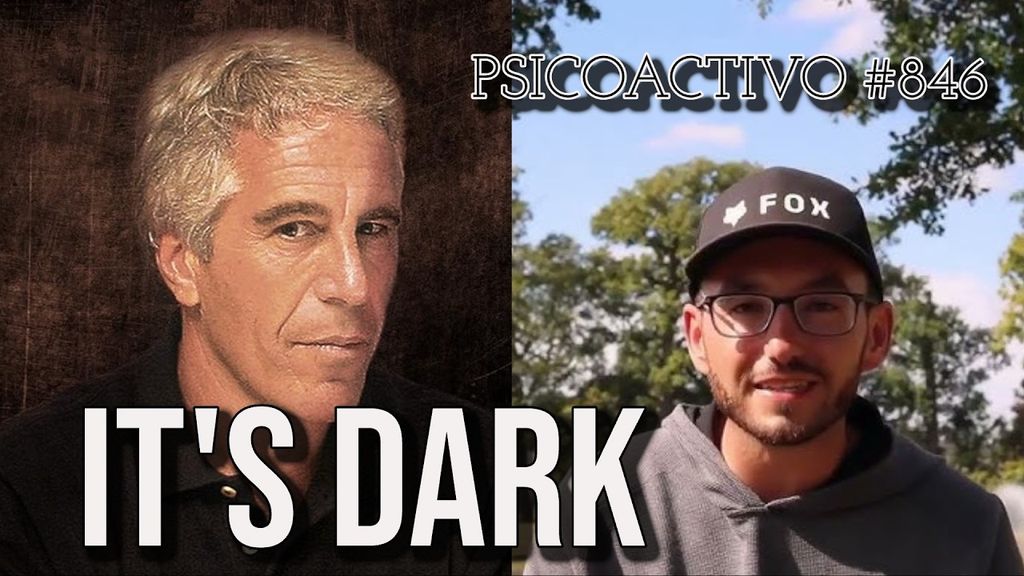
Epstein Files Reignite Scrutiny of Psi Research Networks, Alleged “Psionic Asset” Programs, and Ethics Around Recruiting Experiencers


Claims that powerful individuals have long cultivated interest in psychic research are resurfacing amid renewed attention to the Epstein documents, placing a spotlight on how anomalous cognition intersects with UAP discourse, private capital, and government programs. The question of whether psi-related initiatives have, at times, exploited vulnerable people or operated without meaningful consent is pushing the field toward a reckoning on ethics, transparency, and scientific rigor.
References in the released Epstein materials have prompted scrutiny of social and funding networks that bridge elite circles and psi research. The discussion cites documents that purportedly show an email involving Dr. Diane Hennacy Powell being forwarded to Epstein and a logged interaction with Dr. Dean Radin. It also highlights a reference to Alex Klokus—associated publicly with Skywatcher—as facilitating at least one meeting for Epstein, including outreach to entrepreneur Brian Johnson. While such mentions do not in themselves imply wrongdoing, they underscore how figures in technology and consciousness research occasionally overlapped with Epstein’s orbit, complicating public perceptions of the field and intensifying calls for clearer boundaries between open science and opaque patronage.
A central fault line runs between two models of inquiry: clandestine efforts, sometimes framed as national-security-adjacent, and attempts to build civilian, open research ecosystems. Proponents of open approaches argue that transparent protocols, institutional review, and peer scrutiny are essential to disentangling robust findings from lore. By contrast, allegations about covert programs—particularly those suggesting the overseas recruitment of "psionic assets"—raise questions about consent, safeguarding, and whether emergency or conflict environments became venues for ethically ambiguous prospecting.
One of the most detailed accounts discussed comes from Jake Barber’s prior statements about the widely publicized Michael Herrera incident. Barber alleges that a paramilitary unit near a craft in Indonesia was involved in transferring "psionic assets," a claim he says his group backchanneled to Herrera. He further contends the containers Herrera described were consistent with Faraday-cage-like workstations, and that prospecting for gifted intuitives occurs outside the continental United States. Barber disputes the label "human trafficking" in this context, asserting participants come willingly due to economic disparity, while acknowledging he lacks firsthand involvement with that operation. He also claims that after he and others raised the matter, the All-domain Anomaly Resolution Office (AARO) publicly dismissed the report even as its former director allegedly acknowledged aspects of it privately to Senate staff—an assertion that has not been independently verified and remains contested.
Beyond program claims, methods attributed to psi training reflect further controversy. Barber describes "stress inoculation"—provoking fight-or-flight responses—and induced dissociation, achieved through chemicals, meditation, or emerging hardware, as pathways to the heightened intuition sought by practitioners. He references noninvasive ultrasound as a tool said to ease transitions into target brain states and presents a vision of a "clean" private-public collaboration to replicate legacy results without secrecy or coercion. The absence of peer-reviewed validation for some methods and the need for ethical guardrails place heightened importance on transparent study designs and independent replication before any such techniques gain traction.
Researcher and author Dr. Julia Mossbridge pushes in a different direction, warning that framing trauma as an activation method risks normalizing harm, especially for children. Recounting her own participation in an early-1980s student program, she describes memory gaps and the impression of broader efforts to map cognition and psi aptitude among youth. While she acknowledges that society may have reasons to understand or even screen for rare capacities, Mossbridge insists that any such work must meet strict ethical standards: parental informed consent, child assent, clear communication of risks, and the right to refuse. She also emphasizes the need for comparative science, arguing that supportive environments—grounded in unconditional love—could be more sustainable moderators of anomalous performance than fear-based conditioning.
These tensions mirror long-standing divides across UAP and consciousness research: the pull of secrecy versus the demands of public accountability, the allure of operational payoff versus the obligations of human-subjects protection. They also reflect a maturing debate about what constitutes evidence—claims routed through private channels and classified contexts struggle to gain durable credibility without verifiable documentation, independent oversight, or peer review. At the same time, blanket dismissal ignores a documented historical record of government and contractor interest in psi, from Cold War-era projects to recent institutional reviews of unusual aerospace observations.
Moving forward, the field confronts three imperatives. First, clear separation of ethical, consent-based, civilian research from any clandestine activity suspected of exploiting vulnerable populations; this includes well-defined safeguards for minors and explicit prohibitions on coercive or trauma-inducing protocols. Second, a commitment to standardized methodologies, preregistered studies, and independent replication to evaluate claims about training regimens and neuromodulation tools. Third, policy-level mechanisms for transparency and oversight when national-security entities engage with psi- or UAP-adjacent work, including robust whistleblower channels and protections.
As social media conversation expands and stigma recedes, broader public scrutiny is likely to intensify. That scrutiny can be constructive if it presses for ethics, science, and accountability in equal measure. Whether the focus is UAP or psi, the calculus remains the same: without transparent data, rigorous methods, and respect for human rights, no claimed breakthrough—however compelling—can earn durable public trust.
Key Moments
- 01:08The conversation pivots to the Epstein files and their alleged references to interest in psi phenomena among individuals in positions of power.
- 02:01The host argues that psi research appears to have drawn more consistent elite attention than UFO disclosure, citing ongoing difficulties in obtaining actionable evidence on UAP.
- 03:00Names associated with psi research are mentioned as appearing in released materials, including an email involving Dr. Diane Hennacy Powell being forwarded to Epstein and a logged interaction with Dr. Dean Radin.
- 03:34Alex Klokus is cited in the files as facilitating at least one meeting for Epstein, allegedly including outreach to entrepreneur Brian Johnson; no criminal conduct is alleged in the material referenced.
- 04:07A divide is drawn between classified, opaque psi efforts and attempts to build open, civilian research ecosystems (e.g., initiatives attributed to Skywatcher).
- 06:01Quoting Jake Barber’s prior interview: a backchannel purportedly told Michael Herrera that a paramilitary unit near a craft was transferring "psionic assets"; Barber claims his group provided that backchannel.
- 07:48Barber alleges that containers described by Herrera matched Faraday-cage-like workstations used for "psionic assets," and that overseas prospecting for such individuals occurs.
- 08:48Barber objects to the term "human trafficking" in this context, asserting participants come "willingly" due to economic imbalances; he acknowledges having no firsthand role in the Indonesia incident he discussed.
- 11:46Barber claims his supplementary information on the Herrera incident was routed to AARO and that Sean Kirkpatrick publicly dismissed it while allegedly acknowledging it privately to Senate staff; these are Barber’s assertions.
- 12:38Barber describes "stress inoculation" and induced dissociation—via chemicals, meditation, or hardware—as methods claimed to heighten intuition; he references noninvasive ultrasound as a tool to shift brain states.
- 18:27Dr. Julia Mossbridge cautions that citing stress or trauma as a pathway to psi can be misconstrued as endorsing harm, emphasizing ethics and informed consent for parents and children.
- 19:38Mossbridge recounts participation in an early-1980s student program ("SOAR"), noting gaps in memory about certain sessions and suggesting broader efforts may have aimed to map youth cognitive and psi traits.
- 23:15She argues that if screening for gifted children is ever justified for national or human-interest reasons, it must be conducted transparently and ethically, with informed consent.
- 25:35Mossbridge contends that unconditional love may be a more sustainable moderator of psi capacities than fear-based or stress-induced approaches and calls for comparative research to validate methods.
- 27:50The host calls for accountability where abuse is proven and warns about the corrupting effects of power, while encouraging open, respectful dialogue about stigmatized aspects of the topic.
Related Topics
Links & References
- Jake Barber on American Alchemy; source of detailed claims about "psionic assets" and the Herrera incident.
- Epstein document dataset page citing Alex Klokus; used to discuss alleged meeting facilitation.
- Dr. Julia Mossbridge interview on Psicoactivo; ethical framing, consent, and research methodology discussion.
- Jordan Jozak’s public statements referenced regarding childhood programs and alleged psi screening.
- Psicoactivo Podcast on Spotify; program context and additional episodes related to UAP and psi topics.
 Continue with Google