
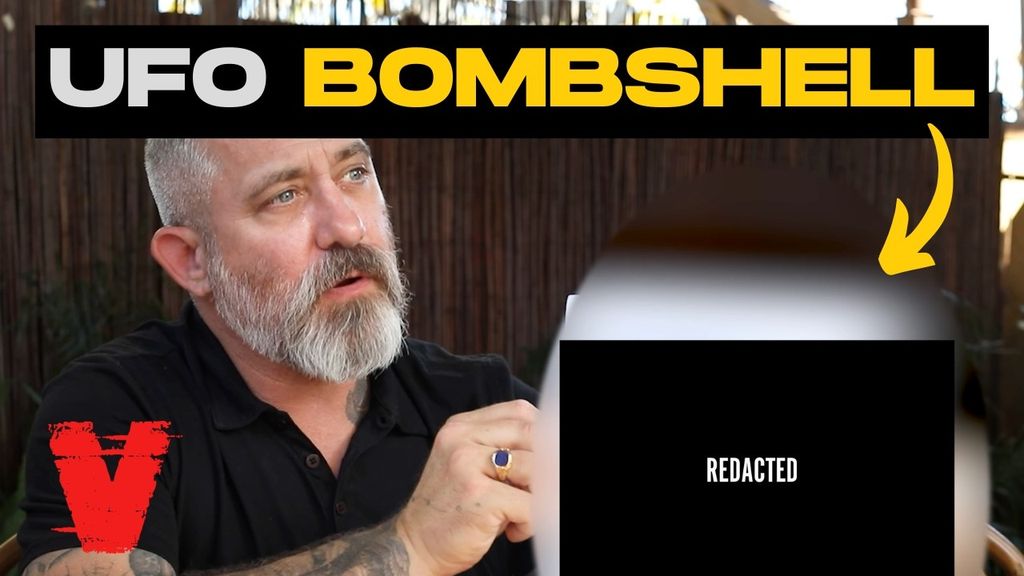
Allegations of Disinformation and Disputed Whistleblower Protections Emerge in ODNI-Linked UAP Probe


Disputes over how UAP-related information is gathered, protected, and disclosed continue to intensify, with new claims centering on an Office of the Director of National Intelligence (ODNI) initiative and a purported UAP briefing known as “Immaculate Constellation.” In recent statements, investigator-filmmaker Jeremy Corbell, journalist George Knapp, whistleblower Matthew Brown, and host Patrick Scott Armstrong presented sharply divergent narratives about whistleblower protections, alleged security practices, and the credibility of pivotal documents, while withholding or redacting key corroborating details.
Several participants described an ODNI initiative referred to as “the DIG,” which they said was tasked with locating credible UAP-related information and sources. Brown confirmed he met with the group’s UAP team at Liberty Crossing inside a Sensitive Compartmented Information Facility (SCIF). Corbell and Knapp said they initially weighed the prospect of cooperation with caution, citing past federal pushes to “get to the bottom” of UAP that faded or produced limited transparency. The tone reflects a broader, long-running tension in UAP inquiry: recurring promises of rigor and access juxtaposed with skepticism born of incomplete records and classified constraints.
Security and meeting logistics formed a notable part of the account. Brown stated he left his phone behind based on reports from others that devices brought to Liberty Crossing had been cloned; he added that ODNI security later denied involvement when such incidents were reported. Corbell and Knapp recounted choosing prior meeting locations that balanced the need for privacy with the importance of avoiding settings that might constrain what could be publicly discussed later. None of these security claims were accompanied by technical or documentary evidence in the public record presented here, leaving the allegations unverified.
The accounts also raised process questions about the whistleblower pathway. Brown said the ODNI’s UAP whistleblower program was not offered to him during his meeting and that he was instead encouraged to use the Intelligence Community Inspector General (ICIG) channel, which he declined after consulting others who, he said, had poor outcomes. Brown further stated that ODNI told him his security clearances remained valid, though Corbell said he heard the opposite from ODNI contacts. The conflicting claims underscore a persistent issue in UAP reporting: how potential sources can reliably navigate classification, clearances, and retaliation risks without a clear, trusted, and transparent process.
The most consequential disputes involve Brown’s credibility and the “Immaculate Constellation” briefing. Corbell said an ODNI official later characterized Brown as anti-Semitic, accused him of fabricating the briefing, and suggested possible counterintelligence or treason implications. Brown rejected those assertions, noting his own Jewish ties, and reiterated his account that he located the briefing while organizing a TS/SCI shared drive as an Office of the Secretary of Defense (OSD) policy contractor. He maintains the document is real and describes it as a briefing, not merely a report.
Brown also said the briefing was part of an operation and that he vetted aspects of it with informed contacts, but he declined to identify individuals he believes misled him, stating they are not public figures. Without names or documents, the verification trail remains incomplete. Corbell added that server-side audit trails could theoretically confirm or refute Brown’s access history, but no such records were produced in the material summarized here. As a result, the existence, scope, and analytic value of the “Immaculate Constellation” briefing cannot be independently assessed from the available information.
Beyond document disputes, Brown and Corbell alleged a wider disinformation and psychological operations campaign targeting UAP whistleblowers and their associates. They attributed these efforts to a “legacy program security” network and described tactics ranging from online harassment to in-person pressures affecting families, with the asserted objective of neutralizing sources. They further contended that an influence operation sought to erode congressional interest in UAP by undermining the credibility of prominent witnesses. Names were redacted, though one alleged architect was described by title and corporate affiliation in the defense sector, with purported ties to a past DARPA Special Access Programs Central Office role. The presenters stated they could prove these claims but did not release evidence in this forum, leaving the allegations uncorroborated.
Armstrong’s commentary concentrated on practical implications and community dynamics. He stressed the need for evidence-based vetting, arguing that ambiguity fuels social-media speculation, pile-ons, and harassment across communities of interest. He noted that extraordinary claims require commensurate documentation and that, in the absence of primary-source records, the debate risks devolving into personality-driven disputes. Armstrong also underscored the narrow capacity of a niche UAP audience to financially support self-identified whistleblowers, particularly when disclosures do not deliver dispositive materials.
Brown described whistleblowing as financially unsustainable in his case and rejected the notion that he was acting for personal gain, framing his decisions as a defense of “our home.” The exchange highlighted a structural gap: those who step forward in the UAP space often face income loss, legal risk, and protracted uncertainty, yet there are few independent mechanisms that offer standardized legal help, secure evidence handling, and protection from retaliation—or exploitation. Calls for such frameworks are increasingly common, but they have yet to coalesce into a durable, trusted model.
From a policy vantage, the allegations—if accurate—raise significant concerns about internal influence operations, the handling of sensitive complaints in secure settings, and retaliatory leaks of characterization from classified environments. Conversely, if the claims are exaggerated or based on misinterpretations, airing them publicly without documentation could backfire by eroding trust, entrenching skepticism, and deterring credible sources from engaging through official channels. Either scenario argues for clearer rules of engagement: standardized whistleblower briefings; secure, auditable intake and evidence escrow; and disincentives for anonymity-shrouded public accusations.
The scientific and technical questions at the core of UAP inquiry remain largely untouched without primary documentation. Brown’s central claim—a cross-agency data architecture purportedly summarized in the “Immaculate Constellation” briefing—cannot be evaluated without release or formal verification. As with other UAP cases, resolving disputes about provenance, chain of custody, and access logs would materially improve public understanding. Until then, assertions about briefing contents, operational context, and program authority remain allegations rather than established facts.
A constructive path forward would pair rigorous due process with community standards that discourage harassment and rumor-driven identification. Practical steps could include independent legal and mental-health support for sources; third-party, court-recognized evidence repositories; transparent liaisons to oversight bodies; and clear norms against public accusations without verifiable documentation. Such measures would not resolve the underlying scientific unknowns, but they would create conditions in which credible information can be surfaced, protected, and tested against the record.
Ultimately, the episode reflects a larger pattern in UAP discourse: strong claims, deep suspicions, and a shortage of sharable records. Durable progress will depend on verifiable materials, traceable provenance, and accountability mechanisms robust enough to protect both sources and the integrity of inquiry. In their absence, debates about disinformation, whistleblower status, and program intent are likely to remain inconclusive—and the public will remain reliant on competing narratives rather than evidence.
Key Moments
- 00:09Questions are raised about an ODNI initiative to consolidate UFO/UAP information—initial public enthusiasm contrasted with internal skepticism based on past, inconclusive government efforts.
- 00:41Attendees to Liberty Crossing reportedly discovered their phones had been cloned after meetings; Brown says he therefore brought no electronic devices.
- 01:48Brown says the ODNI UAP whistleblower program "was never offered" to him; instead, he was asked if he wanted to become an ICIG whistleblower, which he declined based on others’ experiences.
- 08:17Brown recounts being told by ODNI that his security clearances were still valid, while Corbell says he separately heard the opposite from ODNI sources.
- 12:28Corbell and Knapp describe a Director’s Initiative ("the DIG") that they say was authorized by the Director of National Intelligence to gather credible UAP information; Brown confirms meeting with the DIG’s UAP team.
- 19:07Brown states others warned him not to bring a phone to Liberty Crossing due to alleged device compromise; ODNI security purportedly denied any tampering when notified.
- 23:33Brown says his comments on geopolitical issues were later mischaracterized as anti-Semitic; he rejects the claim and notes his own Jewish affiliations.
- 25:36According to Corbell, an ODNI official alleged that Brown was a "racist Jew hater," fabricated the "Immaculate Constellation" briefing, and could be implicated in counterintelligence or treason; Brown disputes all three points.
- 32:05Brown reiterates that he found the "Immaculate Constellation" UAP briefing while organizing a TS/SCI shared drive as an OSD policy contractor and maintains it exists.
- 35:24Brown characterizes the briefing as part of an "operation" and says he vetted elements with knowledgeable contacts; he declines to name individuals he believes misled him.
- 40:24Brown and Corbell allege an ecosystem tied to "legacy program security" runs disinformation and psychological operations targeting UAP whistleblowers, including harassment of families.
- 43:29They reference, without naming, an individual allegedly in the defense sector—described as most recently at Northrop Grumman and a deputy SAPCO for DARPA—as a nexus for "dirty tricks"; they assert evidence exists but do not present it.
- 48:24Brown asserts "there is no organized help for UAP whistleblowers" and says sources are being exploited or neutralized.
- 48:45Pressed on motive, Brown rejects personal financial gain and frames his actions as defending "our home," specifying America.
- 54:40Armstrong emphasizes the need for evidence-based vetting, noting that extraordinary claims warrant strong documentation and that ambiguity fuels online harassment.
Related Topics
Links & References
- Referenced source link for the discussed content featuring claims about ODNI, the DIG, and Immaculate Constellation.
- Channel membership link for VETTED.
- Patreon support page for VETTED.
- Merchandise store for VETTED.
- VETTED community Discord server.
- VETTED Twitter account.
- VETTED Daily Videos playlist.
- VETTED Interviews playlist.
- Official website for VETTED.
 Continue with Google